Top 12 Fashion Tips: Build a Simple Stylish Wardrobe
Top 12 Fashion Tips: Build a Simple Stylish Wardrobe
You know that morning feeling: a closet full of clothes and nothing to wear. These 12 fashion tips are for you. Not trends, not a fortune. Just a simple, stylish wardrobe where almost everything works together.
I learned this the hard way. A few years ago my closet was packed but I wore the same six outfits on repeat, because the rest were impulse buys that matched nothing. If you want fashion tips that actually change how you dress day to day, start here. Every tip below is practical, budget friendly, and works for casual, polished, and in between styles. By the end you will know how to audit your closet, pick a color palette, buy clothes that fit, shop smarter, and keep it all looking good.
1. Audit Your Closet Before You Buy Anything
Here is the truth most style guides skip: you probably do not need more clothes. You need fewer, better chosen ones. Pull everything out of your closet and sort it into three piles: love and wear often, might work with the right pieces, and never wearing.
Be honest with the third pile. That shirt you have kept two years waiting to fit into, the shoes that always hurt: donate, sell, or recycle them. Around 20 to 30 percent of most closets never gets worn, and clearing it out is the fastest style upgrade there is.
- Keep: pieces you have worn in the last 3 months and would buy again today.
- Tailor or repair: good pieces with small issues like a missing button or loose hem.
- Let go: anything stained, stretched out, uncomfortable, or just not you anymore.
Once the audit is done, the gaps are obvious. Maybe you own nine tops and two bottoms. Now your shopping list writes itself.
2. Define Your Style in Three Words
The best dressed people have a point of view. Pick three words that describe how you want to look. Mine are clean, relaxed, and put together. A friend chose sharp, classic, minimal.
Those three words become your filter. Holding a neon graphic hoodie in a store, you ask: does this match my three words? If no, you put it back. This one habit kills most impulse purchases.
Your words do not have to be fancy. They just have to be yours. Save them in your phone notes and check them while shopping.
3. Build on Quality Basics With the 70/30 Rule
Stylists swear by the 70/30 rule: 70 percent timeless basics, 30 percent personality pieces or trends you love. The basics do the heavy lifting. The 30 percent keeps you from looking like everyone else.
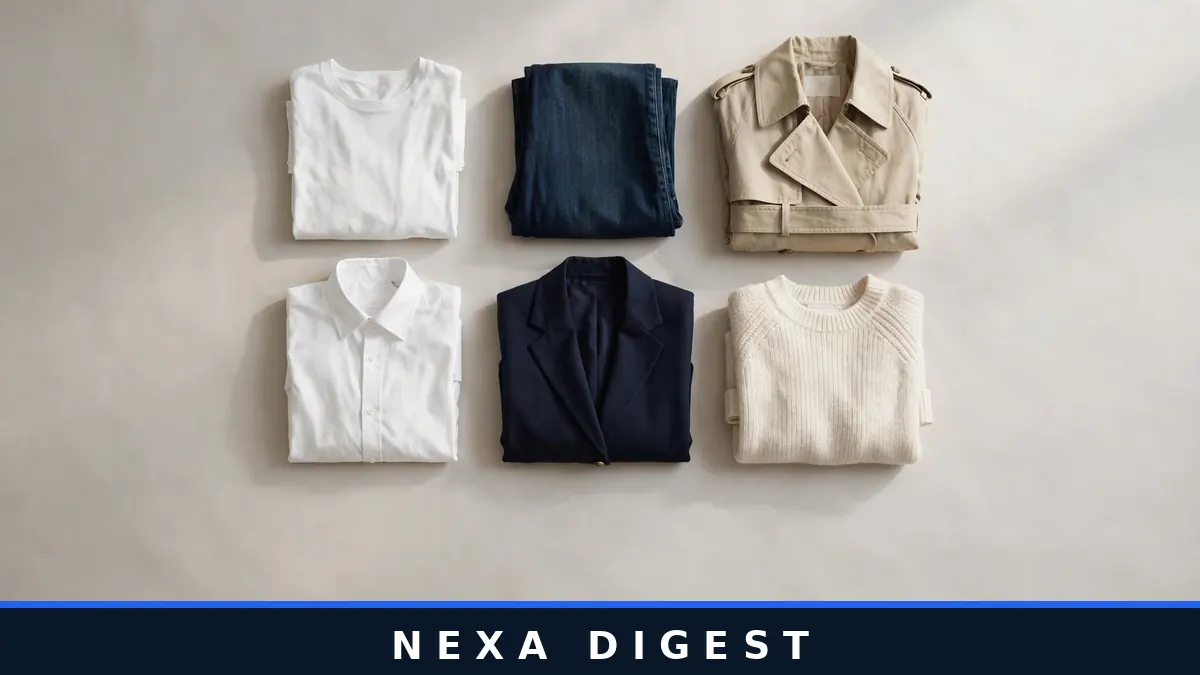
A beginner capsule wardrobe lands around 25 to 40 pieces, starting with the same core items: plain tees, a white button down, dark jeans, tailored trousers, a knit sweater, a blazer, a simple dress, a trench or jacket, white sneakers, loafers, and boots. [Fashion Guide] This ratio keeps shopping calm: if your statement quota is full, you will skip the novelty sweater.
- Spend more on: coats, blazers, shoes, and jeans. These show construction and fabric quality the most.
- Save on: plain tees and tanks, where mid range beats designer on durability.
- Check before buying: seams, stitching, fabric weight, and how it looks after you sit and move in it.
Natural fibers like cotton, wool, and linen age better than thin synthetics. Quality is not about the label. It is about how the piece holds up after 30 wears.
4. Lock In a Tight Color Palette
Why do some people always look coordinated with zero effort? Their clothes share a color palette. Pick two or three neutrals like black, navy, white, cream, grey, or camel, plus one or two accents you enjoy, like olive or burgundy.
When most of your closet shares a color family, almost any top works with almost any bottom. Getting dressed takes five minutes. This is the quiet engine behind every great capsule wardrobe.
- Skin tone: cooler tones suit navy, grey, and white; warmer tones suit cream, camel, and brown.
- One dominant print rule: keep around 70 percent solids, and let one print, like stripes or a subtle check, add energy.
Test it before you commit. Lay five pieces from your closet on the bed. If they all pair with each other, your palette is working. If two pieces only match each other, you have found a gap to fix, not a reason to buy randomly.
5. Make Fit Your Number One Priority
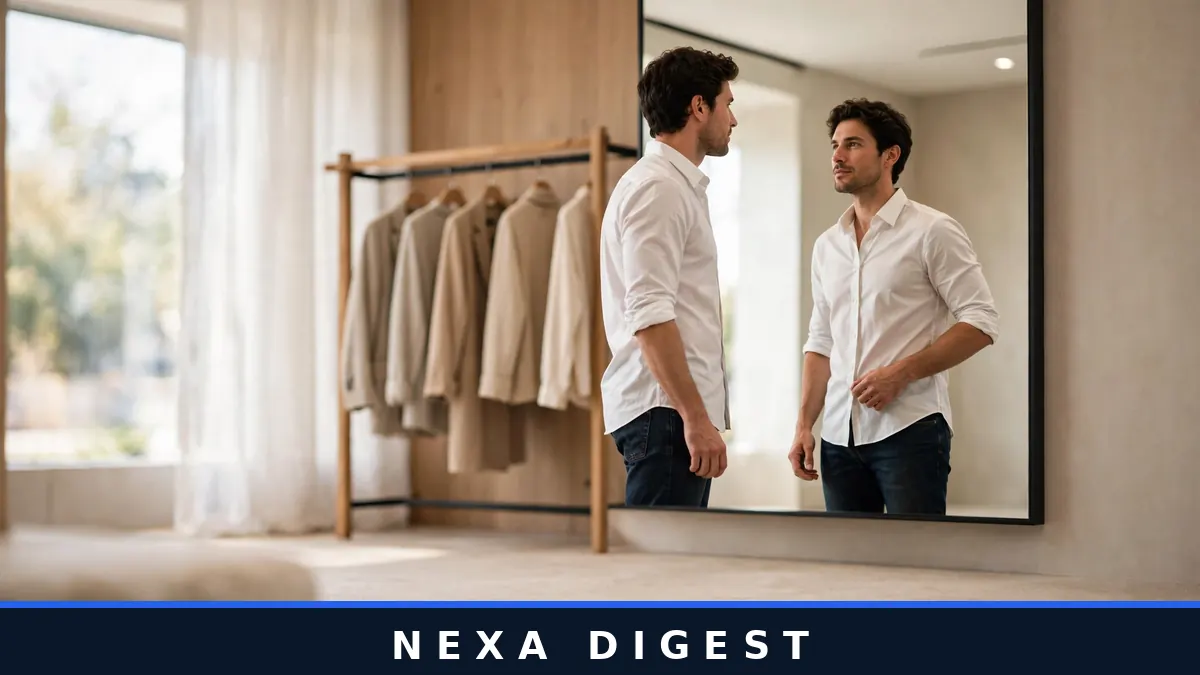
Here is a fashion tip worth more than everything else on this list combined: fit beats price, brand, and trend every single time. A 60 dollar blazer that fits your shoulders will look sharper than a 600 dollar one that pulls across the chest.
Know your chest, waist, hip, inseam, and shoulder width, and check them against size charts instead of trusting the label. Sizes vary wildly between brands. Quick fit checks:
- Shoulders: seams should sit right at your shoulder bone, not hanging over or pulling inward.
- Tops: you should be able to pinch about an inch of fabric at the sides. More than that, size down.
- Trousers: they should skim, not cling, with a break that suits the shoes you will actually wear.
Do not skip alterations. Hemming trousers or taking in a waist costs little and transforms a piece. As style editors note, [News] even off the rack pieces look far better with small adjustments.
6. Learn the Three Layer Formula
You do not need a wardrobe for every season. You need layers: base (tee, shirt, or knit) plus middle (cardigan, overshirt, or sweater) plus outer (jacket, blazer, or coat). Shed or add as the day changes.
One white tee works in July and January. Alone in summer, under an open overshirt in spring, under a sweater and coat in winter. Three outfits from one 20 dollar piece.
A few layering habits that always work:
- Mix textures, like a smooth tee under a chunky knit, to add depth without adding color.
- Keep the base layer fitted and let outer layers go slightly roomier so nothing bunches.
Build three or four go to formulas and rotate them. White tee plus dark jeans plus blazer plus loafers works for dinners, meetings, and dates. Laying out your outfit the night before is one of the simplest daily habits that makes this even smoother.
7. Invest in Shoes That Carry the Outfit
People notice shoes. The simplest jeans and tee look deliberate with the right shoes, and unfinished with the wrong ones.
You do not need a dozen pairs. Four or five cover nearly everything:
- Clean white sneakers: the most versatile shoe ever made. Works with jeans, dresses, chinos, and most casual looks.
- Loafers or ballet flats: instant polish for days when sneakers feel too casual.
- Ankle boots: fall and winter workhorses that pair with almost every bottom.
- One dressier option: heels, oxfords, or heeled boots for events.
- Sandals: if your climate needs them, keep one simple pair.
Keep them clean. A quick wipe and polish takes minutes and beats buying new ones. Shoes are where spending a bit more pays off, because good ones can be resoled and kept for years.
8. Dress for Your Body, Not the Mannequin
Clothes are cut for standard sample sizes that almost nobody matches. Style is not about a runway body. It is about knowing your shape and choosing cuts that work with it.
A few universal proportion tricks:
- Tuck or half tuck your top to define your waist. It instantly makes outfits look more finished.
- If you wear something loose on top, go slimmer on the bottom, and vice versa. Balance is everything.
- Cropped jackets and high rise bottoms make legs look longer. Longer tops over slim bottoms do the opposite job of adding length up top.
- Vertical details, like an open shirt over a tee or a long necklace, draw the eye up and down and add height.
Try things on and move around. Sit, raise your arms, walk to the far mirror. If a piece only looks good when you stand perfectly still, it will not survive real life.
9. Use the Three Outfit Rule Before Buying
This is my favorite of these fashion tips, and it has saved me more money than any sale. Before buying anything, name three outfits you can make with it from clothes you already own. Not future purchases. Clothes in your closet right now.
If you can name three, buy it. If only one, or you would need to buy more to make it work, walk away. Every piece should earn its keep by pairing with at least three others, a principle echoed in [News] capsule wardrobe guides.
Add a 24 hour pause for anything over your threshold, say 50 dollars. Snap a photo in the store and check it against your three words and palette at home. Nine times out of ten the urge fades.
10. Let Accessories Multiply Your Outfits
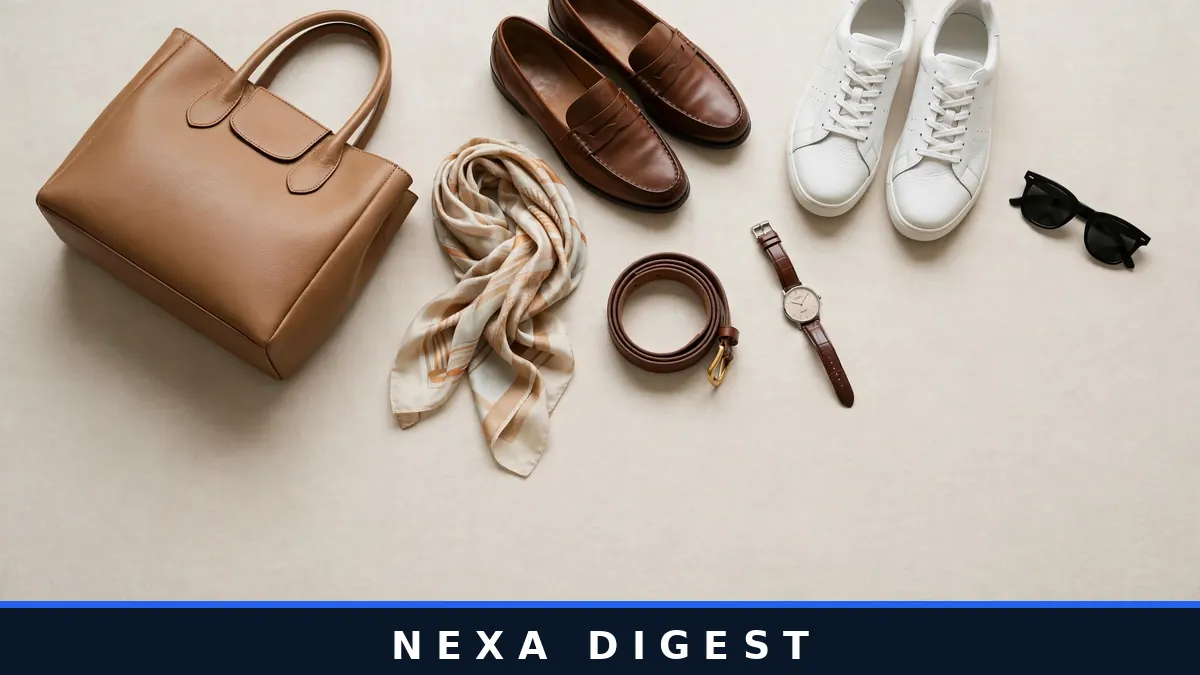
One outfit plus three accessories equals three different looks. A watch, belt, scarf, bag, and simple jewelry are the cheapest way to multiply a small wardrobe.
- A leather belt in brown or black pulls tucked in looks together instantly.
- A structured bag or tote in tan or black works for work, errands, and evenings out.
- Simple jewelry, hoops, a clean watch, a thin necklace, reads polished without trying.
- A scarf adds color and texture to the simplest base outfit, and doubles as a layer.
- Sunglasses are the fastest finishing touch in existence. Keep one classic shape.
Keep accessories in your palette too. Tan leather, gold or silver, and one or two accent colors are enough. One good bag beats three flimsy ones.
11. Take Care of Your Clothes
A steamed, lint free 30 dollar shirt beats a wrinkled, pilled 200 dollar one. Garment care is the most underrated style skill, and it costs almost nothing.
- Steam, do not just iron. A handheld steamer is faster, gentler on fabrics, and takes two minutes.
- Keep a lint roller by the door. Dark clothes collect everything. Thirty seconds fixes it.
- Wash less, air more. Jeans, sweaters, and jackets rarely need a wash after one wear. Overwashing kills clothes faster than wearing them.
- Fix small damage fast. A loose button or small hole is a five minute repair, not a reason to retire the piece.
Give shoes a rest day between wears so they air out and hold their shape. These tiny habits separate people who look sharp every day from people who only look sharp on laundry day.
12. Think in Cost Per Wear, Not Price Tags
The last of these fashion tips changes how you see price tags. Cost per wear is the price divided by the number of wears. A 120 dollar pair of boots worn 100 times costs 1.20 dollars per wear. A 40 dollar trendy top worn 4 times costs 10 per wear. The boots were the bargain.
That is why basics deserve a bigger budget and trends a small one. You will wear those dark jeans hundreds of times. The neon statement piece lasts until the novelty fades, about a month.
Run the math in the store: will I wear this at least 30 times? If yes, the price is fair. If not sure, see tip 9. Between this and the three outfit rule, your closet will fill with pieces you love instead of mistakes you feel guilty about.
Common Fashion Mistakes to Avoid
Quick roundup of the traps that fill closets with regret:
- Buying for a fantasy life. If you work from home, you do not need six blazers. Dress for the life you actually live.
- Chasing every trend. Trends are designed to expire. One or two per season, in your 30 percent, is plenty.
- Ignoring fabric. Thin, shiny synthetics look cheap fast. Touch the fabric and check the label before the price tag.
- Keeping clothes that do not fit. The “someday” pile is just clutter with a story. Let it go.
- Shopping without a list. Walk in with your gap list from tip 1. Walk out with only what is on it.
How you dress shapes how people respond to you. Dressing with intention changes first impressions before you even speak.
Frequently Asked Questions
How can I look stylish on a budget?
Focus on fit, a tight color palette, and quality basics instead of trends. Thrift stores and end of season sales are goldmines for blazers, coats, and jeans. Only buy pieces that work with at least three things you own, so every dollar stretches further.
How many clothes do I actually need?
Most people thrive with 25 to 40 versatile pieces, not counting underwear and workout gear. Climate and lifestyle set the number. Aim for pieces that mix, not a magic count.
What are the essential wardrobe basics?
Plain tees in white and black, a white button down, dark jeans, tailored trousers, a knit sweater, a blazer, a simple dress, a trench or jacket, white sneakers, loafers, ankle boots, and one structured bag. Everything else is personal preference on top.
How do I find my personal style?
Do the three word exercise from tip 2, then save photos of outfits you love and look for patterns. Notice what you reach for most. Your style is hiding in your most worn pieces.
How do I know if clothes fit me properly?
Seams should sit at your shoulder bone. Pinch about an inch of fabric at the sides of a top. Trousers should skim without clinging. Sit, move, check the back view. If anything pulls or gaps, the fit is wrong, no matter how it looks standing still.
What colors should I build my wardrobe around?
Pick two or three neutrals like black, navy, white, cream, grey, or camel, plus one or two accents you love. Cooler skin tones suit navy, grey, and white. Warmer tones suit cream, camel, and brown. One shared palette means every combination works.
How do I stop impulse buying clothes?
Shop with a gap list, use the three outfit rule, and pause 24 hours over your spending threshold. Check purchases against your three style words. Most impulse buys fail at least one check.
Can I look stylish without following trends?
Fit, quality fabrics, a coherent palette, and good grooming beat trend chasing every time. A blazer, dark jeans, and loafers have looked good for decades. Trends are optional seasoning.
What is cost per wear and how do I use it?
Divide the price by estimated wears. A 120 dollar coat worn 100 times costs 1.20 dollars per wear. A 40 dollar top worn 4 times costs 10. Spend more on high rotation basics, less on trendy pieces.
Final Thoughts
Building a simple, stylish wardrobe is a slow edit, not a shopping spree. Audit, define your three words, lock in colors, buy for fit, use the three outfit rule. A year from now you will own fewer clothes and like every one of them.
These fashion tips work because they remove decisions instead of adding them. Start with tip 1 this weekend, and your mornings are about to get a lot easier.
Related terms covered: capsule wardrobe, wardrobe basics, personal style, color palette, layering, tailoring, outfit formulas, cost per wear, neutral colors, accessories, fast fashion, body shape, garment care, minimalist wardrobe.